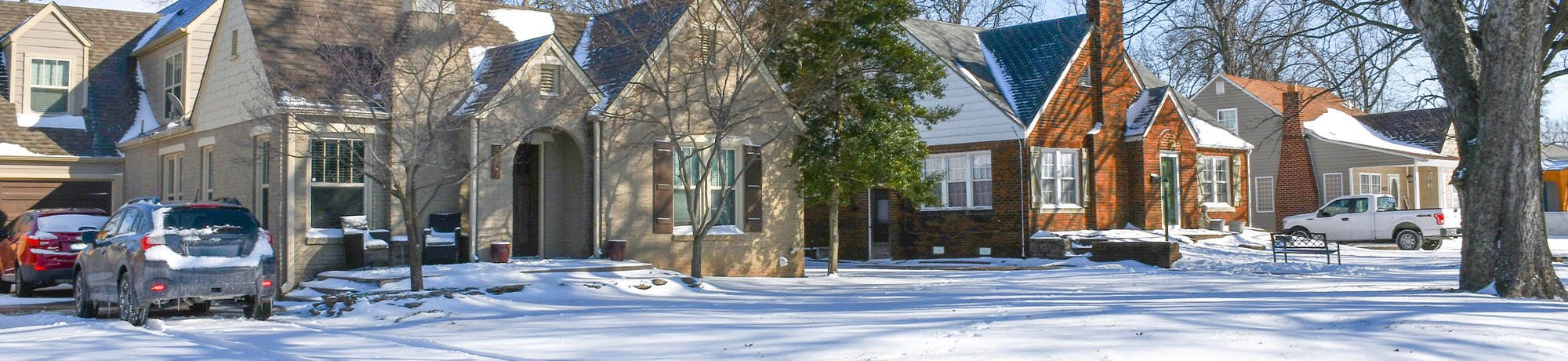
Get Winter-Ready
We work year-round to deliver reliable natural gas service, and we’re here to help you stay safe, warm and energy-efficient all season long.Winter Safety Tips
-
Never use your oven or stove to heat your home.
-
Follow the manufacturer’s instructions when using natural gas appliances.
-
Keep furnace air intakes and appliance vents clear of snow and ice. Contact a licensed plumber or other qualified professional for questions about proper venting.
-
Install and maintain smoke, carbon monoxide and methane detectors; replace batteries and regularly test them. Learn more about carbon monoxide.
-
Leave cabinet doors open on exterior walls to help prevent frozen pipes.
-
When clearing snow near natural gas meters, gently use a broom or brush—never use sharp tools or chemicals.
-
Keep a winter emergency kit with blankets, flashlights, batteries and nonperishable food. Learn more at ready.gov.
Save Energy and Money
In the U.S., households that use natural gas for heating, cooking and clothes drying save an average of $1,132 per year compared to homes using electricity for those applications. When possible, try these tips to save even more:
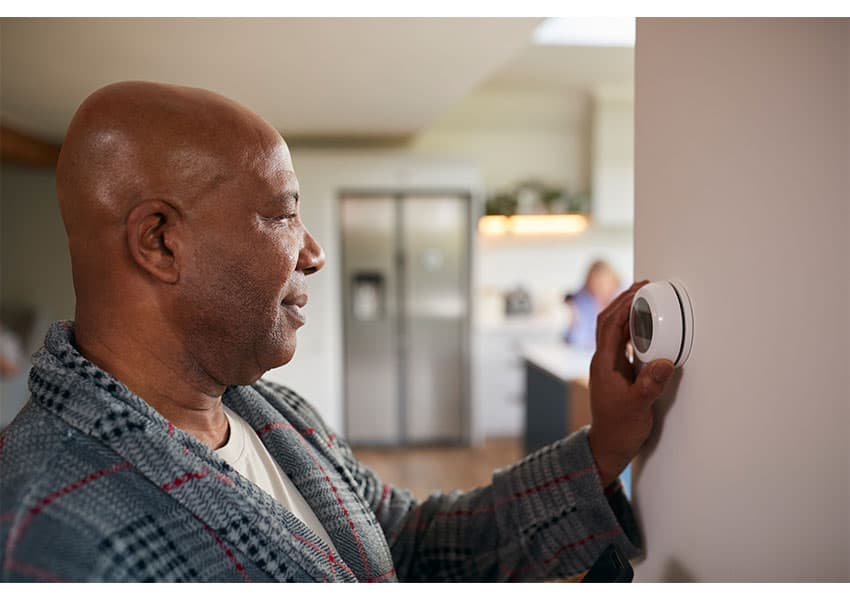
- Set your thermostat to 68°F or lower when home and lower it further when away. A programmable thermostat can help.
- Check your home’s insulation and add more as needed or as recommended by a professional.
- Schedule an inspection of your natural gas furnace before the cold sets in.
- Replace furnace filters at least every three months.
- Seal leaks around doors and windows with weather-stripping or caulk.
- Close blinds and curtains at night; open south-facing blinds and curtains during sunny days.
-
Lower your water heater thermostat to the lowest temperature that provides sufficient hot water – typically about 120°F.
- Run dishwashers and laundry appliances only when full—and use cold settings when possible.
-
Set ceiling fans to operate clockwise to push warm air down. Find more energy-saving tips at energystar.gov.
-
Check for rebates to save on new natural gas appliances.
Know the Signs of a Gas Leak
- Smell: A strong odor like rotten eggs.
- Look: Bubbling water, blowing dirt, or dead vegetation.
- Listen: Hissing or roaring near a pipeline or meter.
If you suspect a leak, leave the area immediately. Then call 911 and Oklahoma Natural Gas at 800-458-4251 from a safe location.
Learn more about detecting a natural gas leak.

Extra Assistance
-
Visit our Cares page to learn about publicly available assistance programs or apply for payment arrangements.
- View your historical usage and statements by logging into your account and viewing your dashboard. Understanding your usage history can help you save more this year.
Sign Up for Alerts
-
Opt-in for text or email notifications for service updates and safety information. Manage your preferences in My Account.