Get Winter-Ready

We work year-round to deliver reliable natural gas service, and we’re here to help you stay safe, warm and energy-efficient all season long.

Winter Safety Tips

  • Never use your oven or stove to heat your home.
  • Follow the manufacturer’s instructions when using natural gas appliances.
  • Keep furnace air intakes and appliance vents clear of snow and ice. Contact a licensed plumber or other qualified professional for questions about proper venting.
  • Install and maintain smoke, carbon monoxide and methane detectors; replace batteries and regularly test them. Learn more about carbon monoxide.
  • Leave cabinet doors open on exterior walls to help prevent frozen pipes.
  • When clearing snow near natural gas meters, gently use a broom or brush—never use sharp tools or chemicals.
  • Keep a winter emergency kit with blankets, flashlights, batteries and nonperishable food. Learn more at ready.gov.

family cooking with natural gas
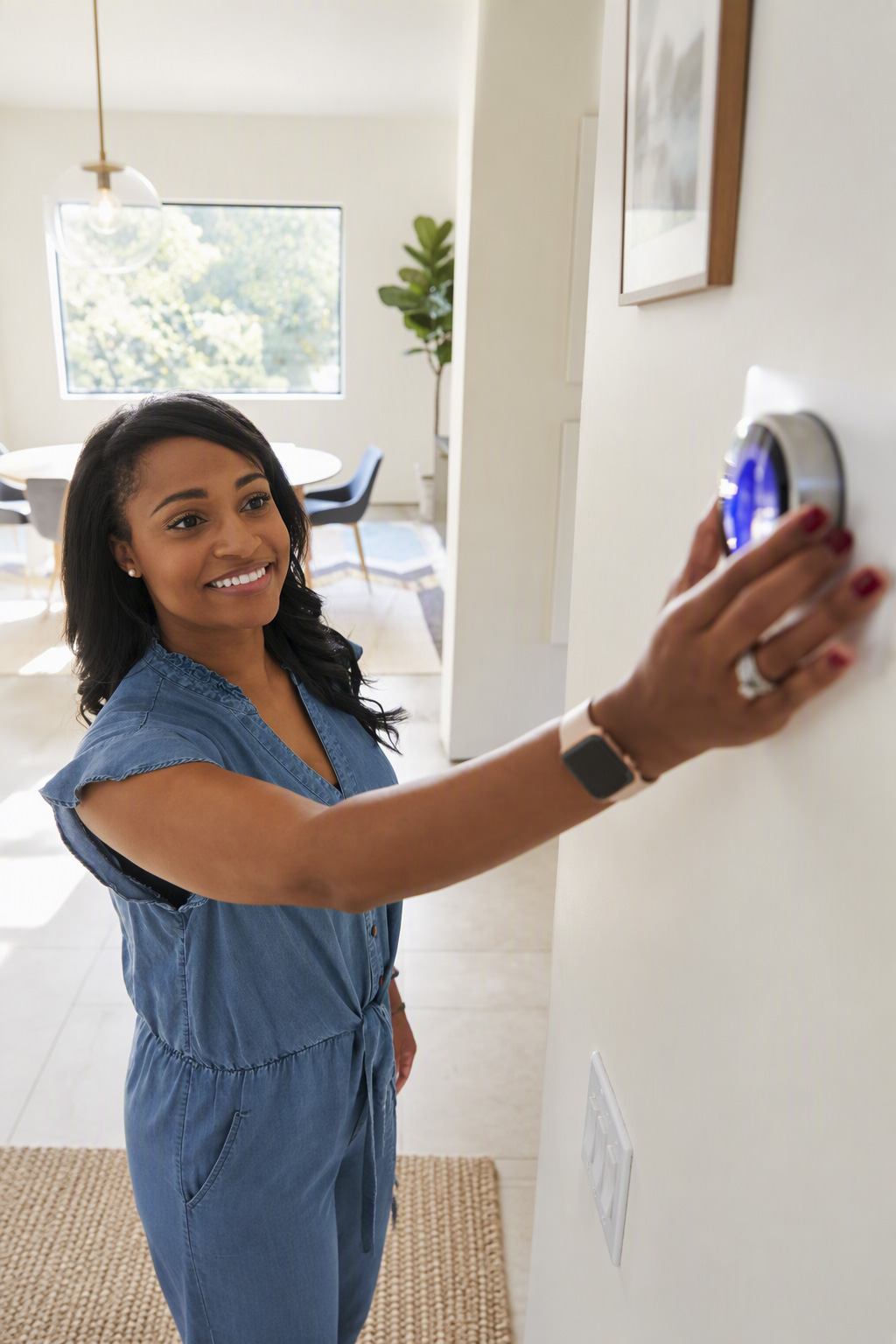
woman adjusting thermostat

Save Energy and Money

In the U.S., households that use natural gas for heating, cooking and clothes drying save an average of $1,030 per year compared to homes using electricity for those applications*. When possible, try these tips to save even more:

  • Set your thermostat to 68°F to 70°F and lower it further when away. A programmable thermostat can help.
  • Check your home’s insulation and add more as needed or as recommended by a professional.
  • Schedule an inspection of your natural gas furnace before the cold sets in.
  • Replace furnace filters per the manufacturer's recommendations.
  • Seal leaks around doors and windows with weather-stripping or caulk.
  • Close blinds and curtains at night; open south-facing blinds and curtains during sunny days.
  • Lower your water heater thermostat to the lowest temperature that provides sufficient hot water – typically about 120°F.
  • Run dishwashers and laundry appliances only when full—and use cold settings when possible.
  • Set ceiling fans to operate clockwise to push warm air down. Find more energy-saving tips at energystar.gov.
  • Check for rebates to save on new natural gas appliances.

*Source: American Gas Association


Know the Signs of a Gas Leak

  • Smell: A strong odor like rotten eggs.
  • Look: Bubbling water, blowing dirt, or dead vegetation.
  • Listen: Hissing or roaring near a pipeline or meter.

If you suspect a leak, leave the area immediately. Then call 911 and Oklahoma Natural Gas at 800-458-4251 from a safe location.

Learn more about detecting a natural gas leak.
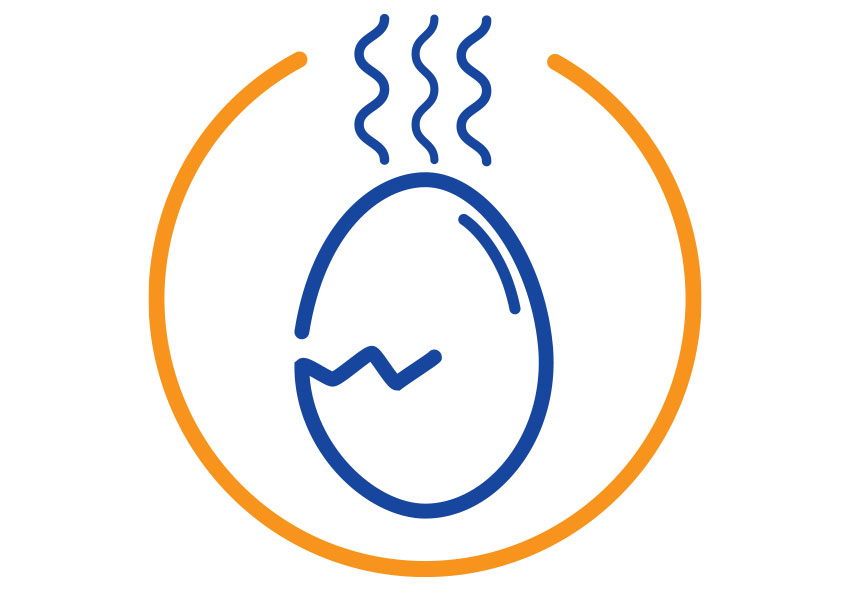


graphic illustration of rotten egg smell
paper heart in hands

Extra Assistance

  • Visit our Cares page to learn about publicly available assistance programs or apply for payment arrangements.
  • View your historical usage and statements by logging into your account and viewing your dashboard. Understanding your usage history can help you save more this year.


Sign Up for Alerts

  • Opt-in for text or email notifications for service updates and safety information. Manage your preferences in My Account.

Winter-Ready FAQ

  • What's an easy way to make my bills more manageable?

    An easy way to make your monthly gas bills more predictable is to enroll in our Average Payment Plan. This program uses a 12-month rolling average of your natural gas bills to spread seasonal heating costs more evenly throughout the year, helping reduce month-to-month fluctuations and making budgeting easier. Once you enroll, the plan will begin with your next bill.

    Learn more about the Average Payment Plan and eligibility requirements on our Billing Options page.

  • What temperature should I set my thermostat during winter?

    For comfort and energy savings, set your thermostat between 68 and 70 degrees Fahrenheit when you're home and awake. Lowering the temperature while sleeping or away from home can help reduce energy use.

    Find more information on heating and cooling on our Energy Saving Tips page.

  • How can I prepare my heating system for winter?

    Schedule an inspection of your natural gas furnace and other gas appliances before cold weather arrives. A professional inspection can help ensure your equipment operates safely and efficiently throughout the heating season.

    Find more energy saving ideas on our Energy Saving Tips page.
  • How can I improve efficiency in my natural gas furnace?

    A clean furnace filter helps your heating system run more efficiently and may lower energy consumption. Dirty filters can restrict airflow and force your equipment to work harder. Be sure to keep vents open and free of dust as well.

    Find more efficiency ideas on our Energy Saving Tips page.
  • How can I reduce heat loss in my home during winter?

    Seal air leaks, cracks, and gaps around windows and doors with caulk or weatherstripping. Adding insulation to attics and crawl spaces as well as using foam gaskets behind outlet and switch covers can also help keep warm air inside and improve energy efficiency.

    Find more ways to reduce heat loss on our Energy Saving Tips page. 

  • What are some easy ways I can keep my home warm and reduce costs?
    • Change the direction of your sealing fans to rotate clockwise. This pushes warm air back down to improve comfort.
    • Keep curtains closed at night to retain heat. During sunny days, open drapes on south-facing windows to take advantage of the sun's natural warmth.
    • When running appliances for laundry and dishwashing, use cold-water settings when appropriate to help reduce energy consumption.

    Find more seasonal ideas on our Energy Saving Tips page.